The Board of Directors of the African Development Bank Group has approved a $22 million grant to support the Blue Economy and Fisheries Infrastructure Rehabilitation and Maintenance Project in São Tomé and Príncipe. The project aims to unlock the country’s maritime potential while tackling growing food security challenges.
The funding combines resources from the Transition Support Facility Prevention Window and the African Development Fund.
The BEFIRM project will directly support about 30,000 people involved in fishing, processing, and trading activities, most of them operating at a small scale. Improved food availability and new economic opportunities will also benefit an estimated 100,000 people across the country.
As a small island developing state, São Tomé and Príncipe relies heavily on fisheries for livelihoods and nutrition. However, climate impacts, ageing infrastructure, and limited economic options continue to put pressure on the sector.
Pietro Toigo, the African Development Bank Group’s Country Manager for Angola and São Tomé and Príncipe, described the project as a major step toward strengthening the country’s resilience and economic future. He said the initiative will upgrade key port facilities, provide modern fishing vessels, and strengthen the fish value chain to address immediate food needs while supporting long-term growth.
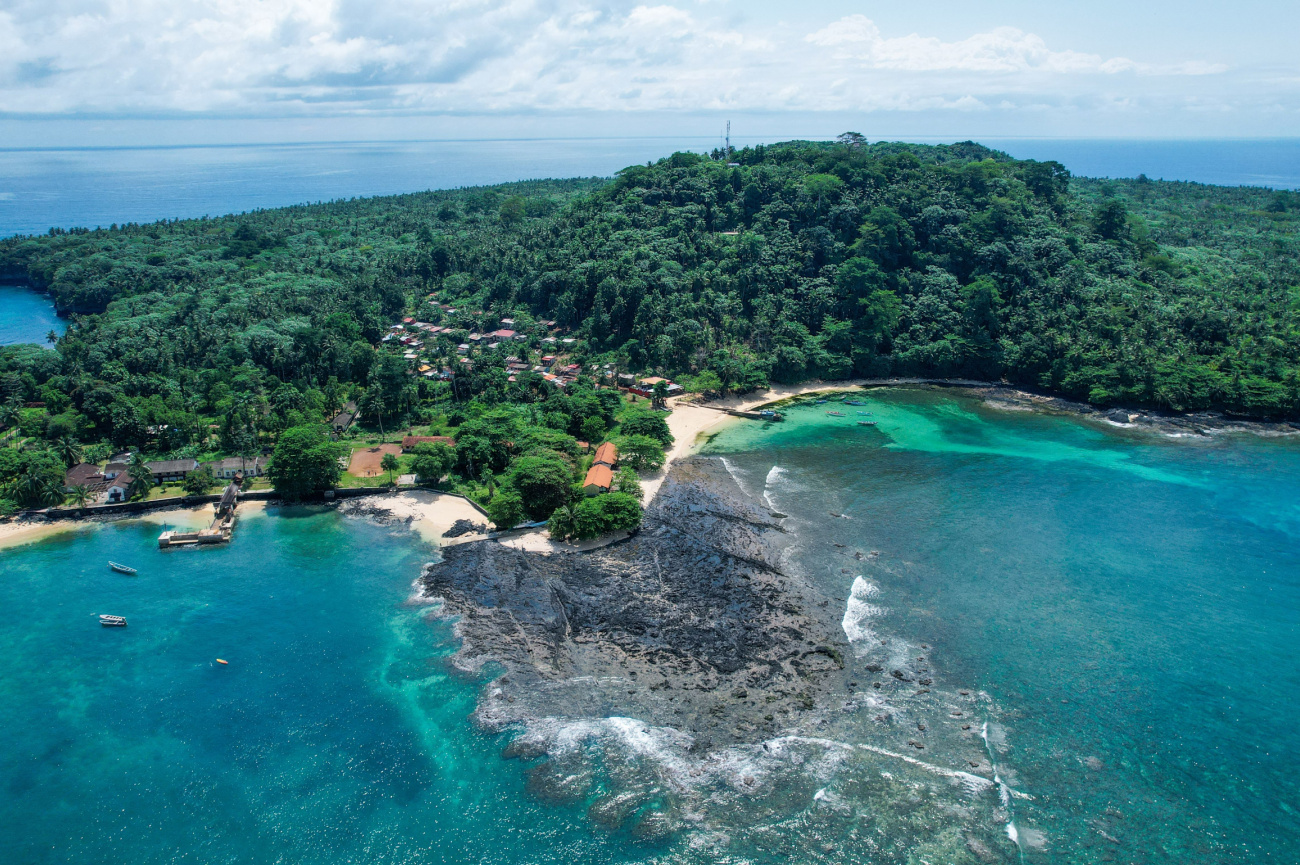
The project focuses on four main areas of intervention. It will fully rehabilitate three multipurpose fishing ports at Neves and Porto Alegre in São Tomé and at Chimaelo in Príncipe. It will also strengthen disaster preparedness at Port San Antonio Praia. These ports play a vital role in linking fishing communities to markets and improving connections between the islands. In addition, the project will replace old wooden canoes with 400 climate-resilient fibreglass boats, improving safety, boosting catch efficiency, increasing incomes, and reducing pressure on forests.
The project will further reduce post-harvest losses by refurbishing six cold storage facilities and supplying four refrigerated trucks. These improvements will help preserve fish quality and improve access to urban markets.
Officials expect the initiative to raise annual fish production from 15,000 tonnes to 25,000 tonnes while cutting post-harvest losses from 4,800 tonnes to 2,500 tonnes. Average annual income for individual fishers is projected to increase from €2,000 to €2,500, with an estimated economic rate of return of 21 per cent.
Training programmes and cooperative support will prioritise inclusion, with at least half of participants drawn from women and young people. The project will also support women-led small businesses and cooperatives, alongside opportunities in maritime sports and ecotourism for youth.
Neeraj Vij, the bank’s regional sector manager for Southern Africa, highlighted the central role women play in the fisheries sector. He noted that the project addresses long-standing barriers faced by women traders and processors by improving access to infrastructure, skills training, and opportunities to formalise and expand their businesses.
The BEFIRM project aligns with São Tomé and Príncipe’s Vision 2030 and the National Development Plan for 2023 to 2027, both of which identify the blue economy as a key driver of diversification and poverty reduction. With average fish consumption at about 30 kilograms per person each year, fisheries remain critical to national nutrition and export prospects.
As a beneficiary of Transition Support Facility financing, São Tomé and Príncipe reflects the vulnerabilities common to fragile small island developing states.
The Ministry of Economy and Finance will implement the project over five years from 2026 to 2030 through the Blue Economy Directorate and the Satellite Intelligence Unit. A revolving fund and public-private partnerships will support long-term sustainability, while training programmes will strengthen local capacity in fisheries management and infrastructure upkeep.
With an Exclusive Economic Zone covering nearly 165,000 square kilometres, São Tomé and Príncipe holds significant ocean resources. The BEFIRM project provides a pathway to unlock this potential through sustainable blue economy development.
source: maritimafrica.com

 African Maritime Council