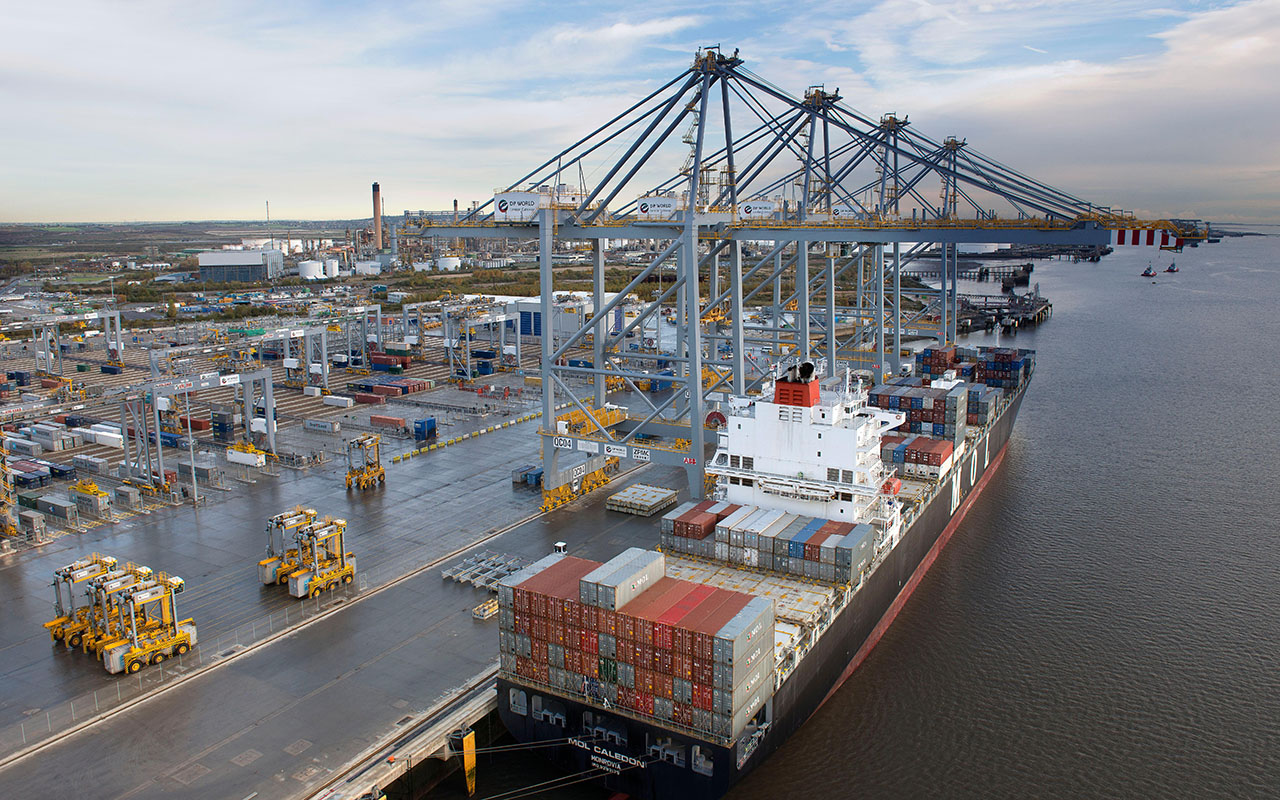
Cameroon’s Port Authority of Douala (PAD) has signed a public-private partnership with the Lebanese-Chinese consortium Mira S.A. to build a 1,500-metre multipurpose quay worth CFA773 billion, which is about $1.31 billion.
The deal was signed on 4 November 2025 by PAD Managing Director Cyrus Ngo’o and Mira CEO Ibrahim Mortada, and it stands out as one of Cameroon’s biggest port infrastructure investments in recent years.
The planned quay will include dedicated terminals for cement, butane and general cargo, along with a 300-metre marina. The project also covers a three-kilometre bypass road, 41 hectares for industrial and port activities, and ongoing dredging to keep a seven-metre draught so the port can handle larger vessels in Douala’s sediment-heavy estuary.
Mira S.A. will cover the full cost of the project. CFA560 billion (about $950 million) will go toward building the quay and providing handling equipment, while CFA213 billion (about $360 million) will fund dredging, rail extensions and other supporting works.
The financial model projects an internal rate of return of 13.6 per cent over the 30-year concession period.
Douala Port manages 85 per cent of Cameroon’s import and export traffic and serves as a key sea outlet for Chad and the Central African Republic. The new quay is expected to ease pressure on current terminals, increase capacity and strengthen Douala’s position as the main logistics hub in the CEMAC region.
Construction is expected to create about 2,000 direct and indirect jobs, and PAD sees the project as a way to support regional competitiveness and economic growth.
Mira S.A. now has a few months to complete its financing plans and meet the conditions required before construction begins. Once the work starts, the project will significantly change Douala’s port area and could become a reference point for PPP-driven port development in Central Africa.
The project also fits with wider port upgrades taking place across Africa, including new developments in Kribi, Pointe-Noire and Tema. For Cameroon, it signals a clear effort to use its maritime assets to support industrial growth and regional integration.
source:africaports.co.za

 African Maritime Council