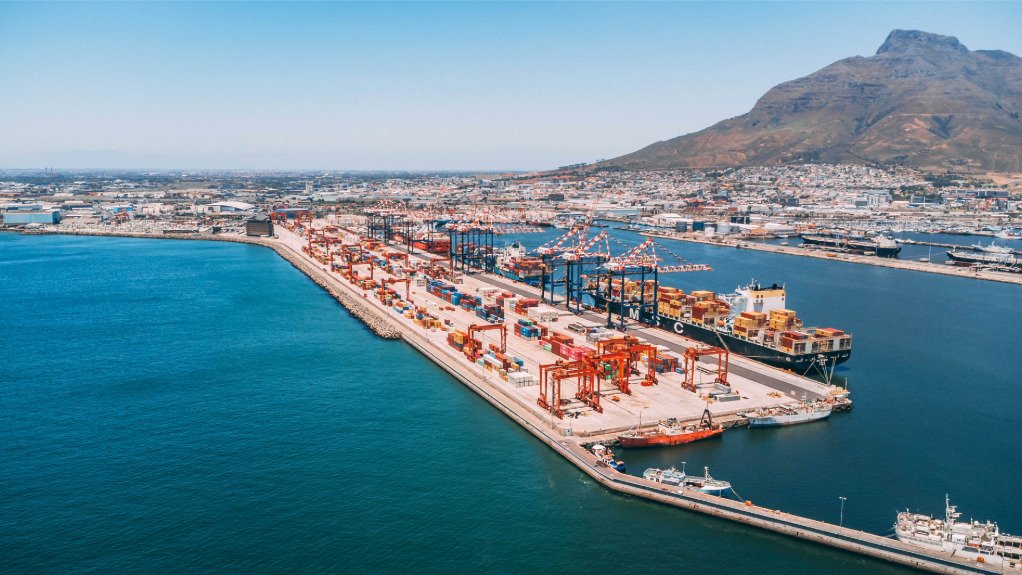
Egypt’s Ministry of Transport is carrying out a broad plan to develop the maritime transport industry. The sector forms one of the key pillars of Egypt’s Vision 2030.
The plan focuses on three main priorities. The first is the development and expansion of Egypt’s maritime ports. The second is the growth and modernization of the Egyptian national maritime fleet. The third is the creation of strategic partnerships with leading global companies to manage and operate container terminals and major shipping lines.
Through these partnerships, Egypt aims to strengthen the presence of its ports in global trade routes and supply chains. The plan also seeks to attract more of the world’s largest vessels to Egyptian ports, increase port operating capacity, and expand the country’s role in transit trade.
This effort follows directives from Abdel Fattah el-Sisi to position Egypt as a regional hub for logistics and transit trade.
At the same time, the government is advancing the development of land ports across the country. Authorities are implementing a nationwide plan to establish 33 dry ports and logistics zones.
These facilities will support seven integrated logistics corridors that connect key production areas, including agricultural, industrial, and mining regions, with maritime ports. The corridors will also link ports on the Red Sea with those on the Mediterranean Sea.
The logistics corridors will serve new urban communities through an integrated transport system that includes both conventional diesel rail and high-speed electric trains. They will also connect to the national road network and pass through dry ports and logistics zones located along the corridors.
source: maritimafrica.com

 African Maritime Council