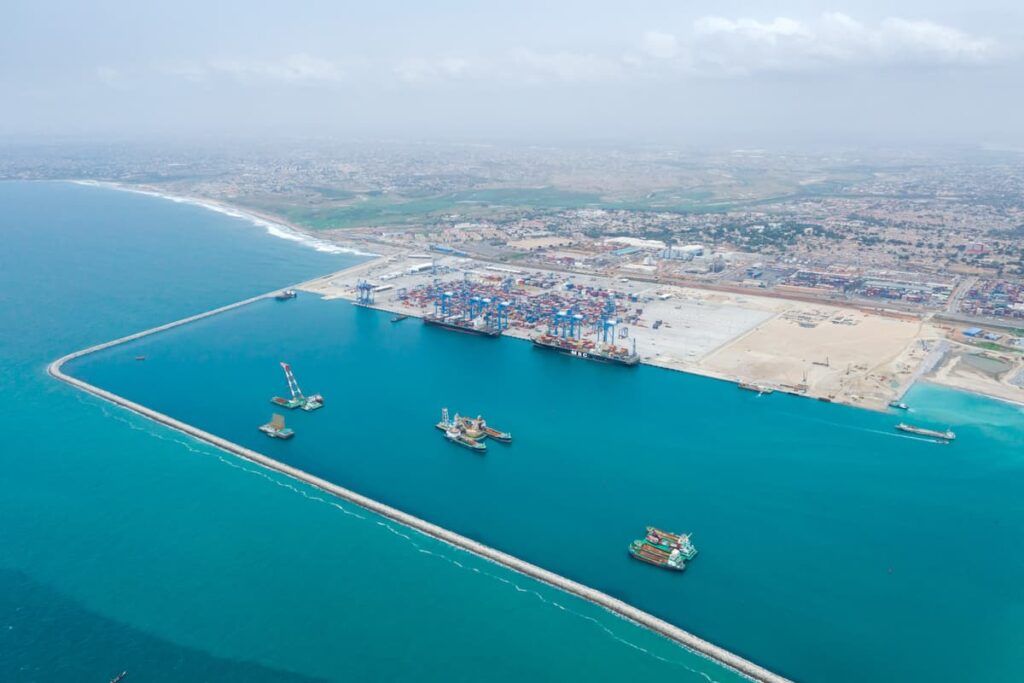
Ghana has reached an important turning point in its Blue Economy journey, shifting from ideas and planning to coordinated action at the national level. The National Stakeholders’ Consultative Workshop on the Prioritisation and Costing of Ghana’s Blue Economy Strategy, held in Accra from 15 to 17 December 2025, produced practical outcomes that prepare the country to begin implementing its strategy in 2026 and strengthen Ghana’s position as a regional leader in the governance of oceans and inland waters.
The three-day workshop delivered clear, action-focused results that support immediate implementation. Participants agreed on a prioritised and fully costed implementation plan aligned with the six pillars of Ghana’s Blue Economy Strategy: Blue Wealth, Blue Health, Blue Knowledge, Blue Finance, Blue Equity, and Blue Safety and Security. This plan sets out concrete actions, timelines, and institutional responsibilities for the 2026 to 2027 period.
The meeting also helped build stronger consensus across ministries and agencies, reducing long-standing silos between sectors such as fisheries, environment, transport, energy, tourism, finance, and local government. This shared understanding reinforces coordination under national leadership structures and creates a more unified approach to Blue Economy governance.
In addition, the workshop clarified where investment and partner support can have the greatest impact. It identified priority actions that are bankable, well sequenced, and aligned with Ghana’s national development goals as well as its regional and international commitments.
Together, these outcomes mark the shift from consultation to execution. The workshop established a shared national roadmap for delivery, accountability, and measurable results, making it a clear milestone in Ghana’s move from strategy development to real-world implementation.
source: maritimafrica.com

 African Maritime Council