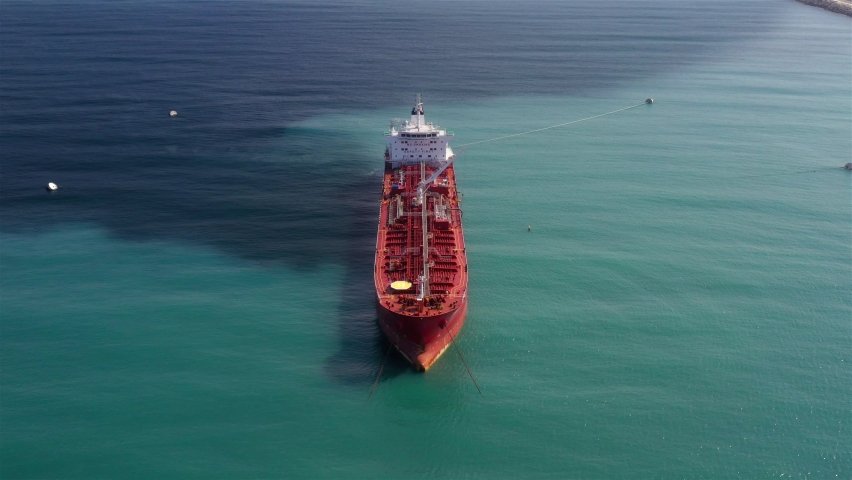
The Government of Kenya has launched the National Marine Spills Response Contingency Plan, which sets out how the country will prepare for and respond to oil and hydrocarbon pollution in its waters.
Representing the Cabinet Secretary for Mining, Blue Economy and Maritime Affairs, Principal Secretary for Shipping and Maritime Affairs Aden Millah said the plan marks an important step in protecting Kenya’s marine environment and supporting the future of the Blue Economy.
According to PS Millah, increased seaborne trade and major projects such as the expansion of the Port of Mombasa, the growth of the ports of Lamu and Kisumu, and the relocation of the Kipevu Oil Terminal have led to higher maritime traffic and greater spill risks.
The Principal Secretary noted that the plan keeps Kenya in line with the International Convention on Oil Pollution Preparedness, Response and Cooperation of 1990.
Under the plan, the Kenya Maritime Authority will act as the national oil spill authority, coordinating response efforts, defining the responsibilities of all parties, and guiding the use of equipment and response methods during pollution incidents.
PS Millah stressed that effective oil spill response depends on strong cooperation between government agencies and the private sector.
He also praised the Marine Spills Preparedness and Response Coordination Charter, noting that it formalises collaboration among key stakeholders.
The Principal Secretary pointed to the recent MASEPOLREX 25 regional field exercise hosted by the Kenya Maritime Authority as a practical test of regional readiness to manage major pollution incidents.
He added that preparedness must continue through regular training, joint exercises and coordinated planning.
PS Millah thanked Kenya’s partners for their support in developing the plan, including the World Bank, Kenya Ports Authority, Kenya Navy, Oil Spill Mutual Aid Group and the Government of Norway.
source: maritimafrica.com

 African Maritime Council