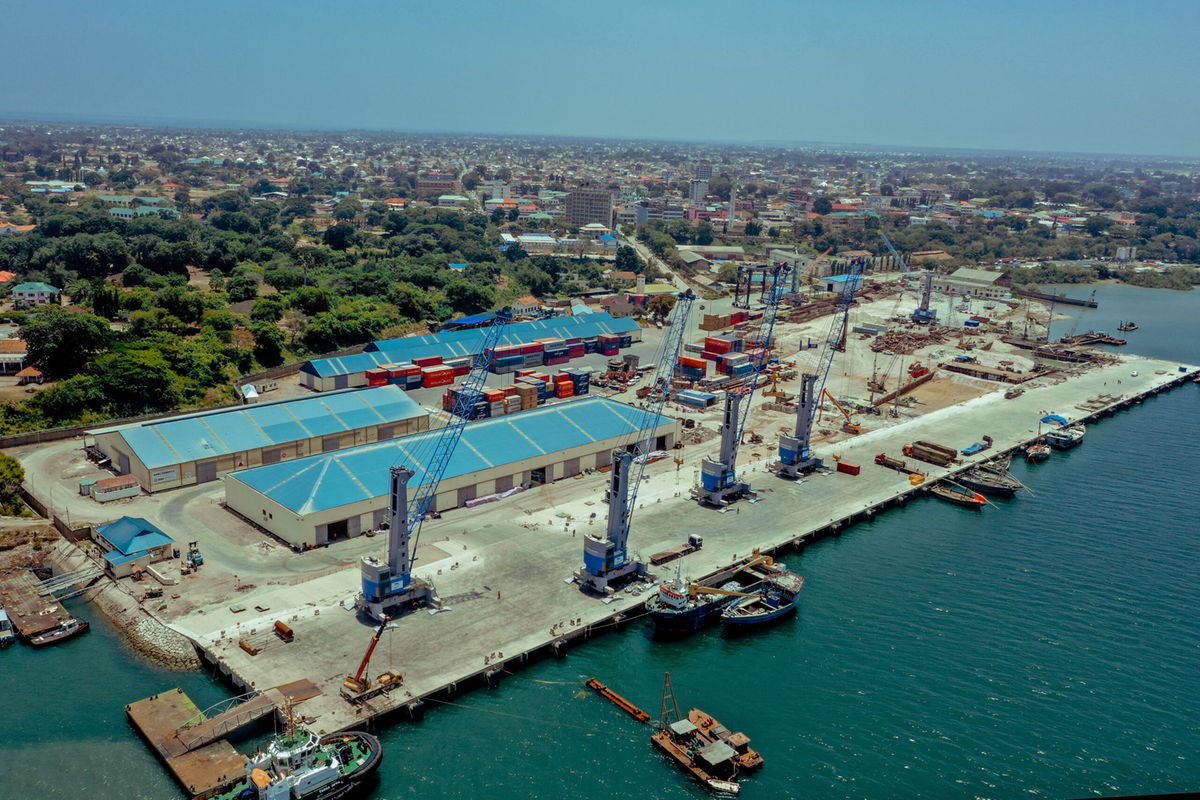
On the western edge of Lake Malawi, Chipoka sits quietly by the water. Once an active inland harbour, it gradually faded from view as Monkey Bay and Nkhata Bay took centre stage. Yet Chipoka stands apart for one simple reason. It is the only port in Malawi where the railway connects directly to the lake.
That advantage is drawing fresh interest. Government agencies and private investors have begun rolling out plans to rebuild Chipoka into a centre for trade, fishing, and tourism.
Chipoka lies in Salima District, about 120 kilometres from Lilongwe. It is the capital’s nearest access point to the lake and a natural gateway to inland water transport. The port also links directly to the Nacala Corridor railway, which stretches from Mozambique’s Port of Nacala through Malawi to Lilongwe. This rail line provides Malawi with a vital connection to the Indian Ocean.
For many years, silt buildup and changing lake levels kept Chipoka inactive, leaving the port unused for over a decade. Even so, its location remained an asset. The rail line still reaches the shoreline, and Salima’s lakeside continues to attract visitors, with nearby Senga Bay offering strong but underdeveloped tourism potential.
The Ministry of Transport has confirmed plans to restore the port. Minister Feston Kaupa has described maritime transport as an important part of Malawi’s trade and economic development. The government believes that reviving Chipoka can help reduce transport costs, particularly for fuel and bulk goods that currently rely on expensive road transport.
Officials have also visited Monkey Bay, where investors are exploring options to introduce new vessels to operate alongside MV Ilala. Since 1951, the ship has provided transport for passengers and cargo across Lake Malawi. These efforts point to a wider plan to bring inland water transport back into Malawi’s transport system.
Alongside government efforts, planners have introduced the Chipoka Zoning Masterplan under the Malawi Secondary Cities Plan. Authorities have selected Salima and Chipoka as pilot secondary cities, with port infrastructure development forming the first stage of the programme.
The masterplan groups projects into hub and spoke developments.
Hub projects include docking and boat repair facilities, fish processing plants with cold storage, a wholesale fish market, aquaculture training centres, and an aquarium.
Spoke projects focus on hatcheries, feed production, and commercial fish farming.
Together, these developments support the goals of Malawi 2063, which aims to strengthen industry, expand urban centres, and improve agricultural output. Chipoka is taking shape not only as a port, but as a focal point for fisheries, logistics, and local industry.
source: africaports.co.za

 African Maritime Council