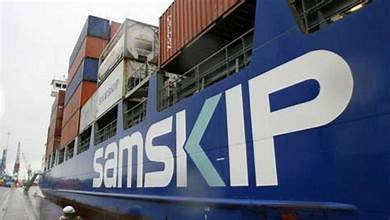
Samskip has launched a new short sea route linking the Moroccan ports of Agadir and Casablanca directly with the UK and the Netherlands, a move expected to influence trade patterns between North Africa and Northern Europe.
The service gives exporters a quicker and more sustainable option compared to long-distance trucking, transporting everything from fresh produce to industrial cargo. Dedicated vessels, modern refrigerated containers, and smooth multimodal links across Europe support the operation.
“This new link is an important step for Samskip and for future trade between North Africa and Northern Europe,” said Samskip Group CEO Ólafur Orri Ólafsson. “We have worked closely with growers, exporters, and importers to shape a service that supports their success by offering reliability, sustainability, and scale.”
Weekly departures from Agadir and Casablanca call at Tilbury and Rotterdam, offering direct access to more than 30 destinations across Europe. Rotterdam acts as the central hub for distribution through Samskip’s multimodal network, reaching Ireland, the UK, Scandinavia, and Central Europe.
Agadir will handle refrigerated and frozen goods, while Casablanca will become the base for a wider mix of exports, including automotive parts, chemicals, packaging, and construction materials.
To support the service, Samskip has expanded its fleet of GPS-enabled reefer containers, adding 750 forty-foot units and 250 forty-five-foot High Cube Pallet-Wide containers. These units use Controlled Atmosphere technology to manage oxygen, CO₂, humidity, and temperature, allowing fruit and vegetables to stay fresh for up to 45 days.
Ólafsson added that each shipment reflects confidence and consistency. With advanced reefer systems and integrated customs support, Samskip aims to give both farmers and industrial suppliers a smooth trading experience.
Ross McKissock, Director of Unitised at Forth Ports, noted that the new Morocco service strengthens their position in the reefer market. He highlighted that facilities at LCT on the Thames provide a fast, low-carbon, and cost-effective alternative to trucking from Europe, demonstrating the value of their specialist deep-sea offering.
By shifting cargo from road to sea, Moroccan exporters can cut CO₂ emissions by up to 80 per cent while benefiting from faster and more dependable supply chains. Samskip’s in-house customs teams and local support in Morocco and Europe aim to make the entire logistics process straightforward and transparent.

 African Maritime Council