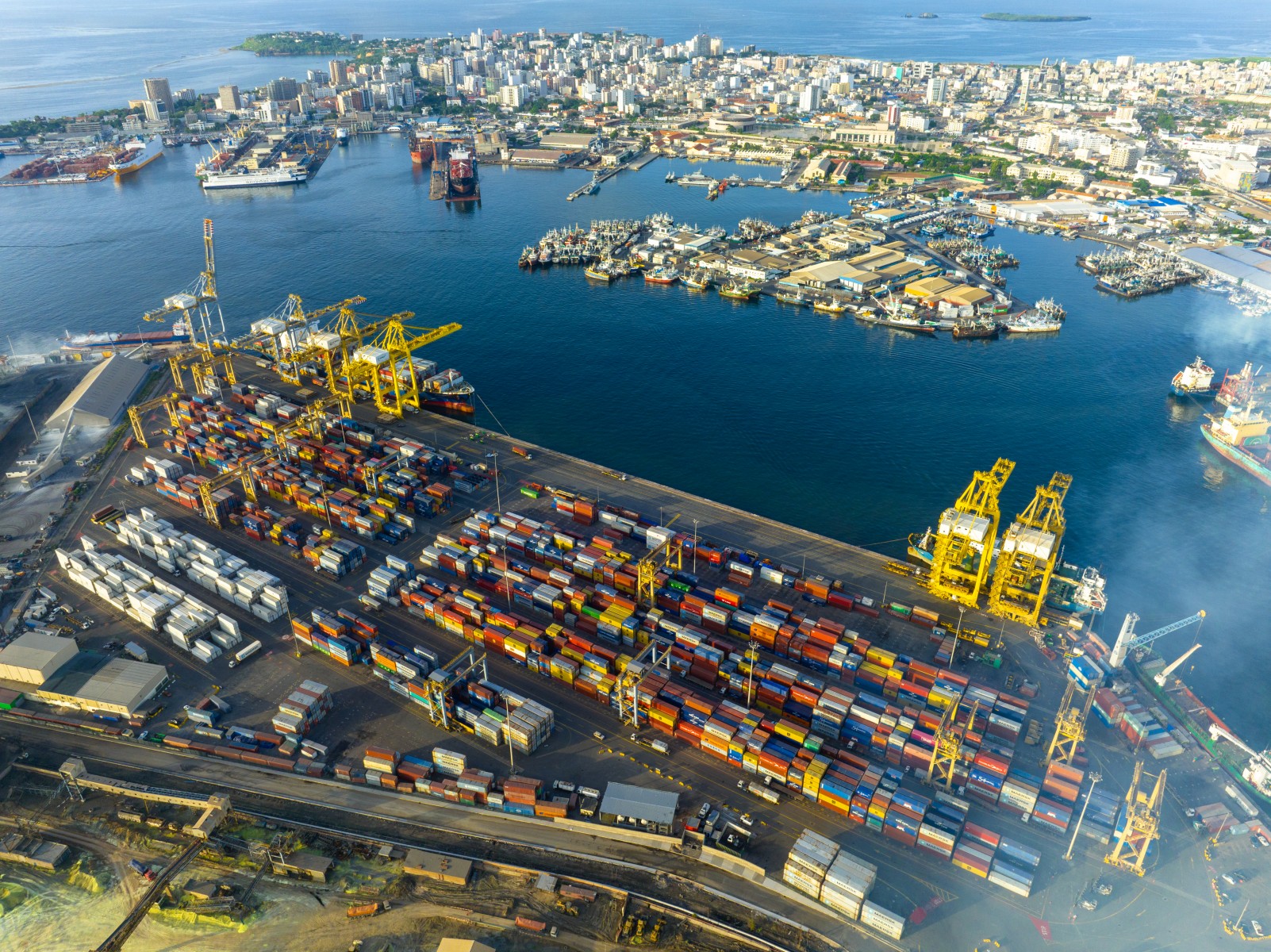
DP World recently reached an important milestone at Senegal’s Port of Dakar after handling its ten millionth container since taking over operations in 2008.
This reflects how Dakar has steadily grown into one of the more efficient ports in West Africa and shows its rising role in both regional and global trade.
Over the past 18 years, DP World has invested about 340 million dollars to upgrade and expand the container terminal. This has changed how the port runs. Container volumes have more than tripled, increasing from 265,000 TEUs in 2008 to 850,000 TEUs in 2025.
Waiting times for vessels have also dropped significantly, from around 35 hours to almost zero. The World Bank now ranks Dakar as the most efficient port in sub-Saharan Africa.
According to company leaders, this progress comes from steady investment, improved operations, and strong collaboration with local partners.
Mohammed Akoojee, CEO for DP World Africa, described Dakar as a dependable port in West Africa. Clarence Rodrigues, CEO of DP World Dakar, pointed to the use of technology and focus on workforce development as key drivers.
The terminal employs about 730 people today, with 99 per cent of them Senegalese. Their work supports both local operations and DP World’s wider global network.
The port’s importance goes beyond container numbers. It supports exporters, importers, and landlocked countries that rely on Dakar’s trade routes. Farmers, including cashew producers in Casamance and Guinea Bissau, depend on the port to access markets in Asia.
Port activities support around 170,000 jobs across the country and contribute about 1.1 billion dollars each year to Senegal’s economy, roughly 3.8 per cent of its GDP.
Looking ahead, Senegal is entering another phase in its maritime development with the construction of the Port of Ndayane, a joint project between DP World and British International Investment.
Located about 50 kilometres from Dakar, the new port is expected to increase capacity and ease pressure on the city, helping Senegal strengthen its role as a trade hub in West Africa.
source: africaports.co.za

 African Maritime Council