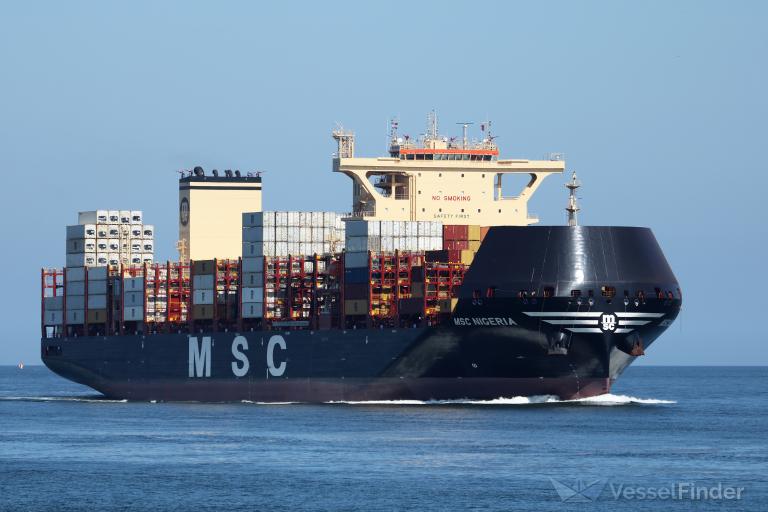
Nigeria’s Shippers’ Council has directed Mediterranean Shipping Company (MSC) and other shipping lines to suspend a recent increase in charges after widespread protests raised concerns about port shutdowns and broader economic disruption.
In a statement issued on Tuesday, the Council instructed shipping companies, agents, and terminal operators to halt any planned price reviews until they properly consult and engage with their stakeholders.
This decision offers temporary relief to traders who have struggled since MSC, the world’s largest shipping line, began enforcing new import and documentation charges on January 1.
Documents seen by BusinessDay show that documentation fees for 20-foot containers rose by 30 per cent to N58,500, while charges for 40-foot containers increased to N93,600. Port additional charges also climbed by 60 percent, reaching N80,000 for 20-foot containers and N160,000 for 40-foot units.
Industry experts warned that the higher tariffs could trigger new price increases for consumers, as importers attempt to recover rising costs, potentially undermining Nigeria’s recent progress in slowing inflation.
Sulaiman Ayokunle of the Association of Nigerian Licensed Customs Agents told BusinessDay that many importers had already budgeted for shipments using the old rates and priced their goods accordingly. He said the sudden changes could disrupt clearance plans, leading to delays and additional costs such as storage and demurrage.
Tensions escalated on Monday when clearing agents shut down operations at MSC’s Apapa office. The protest involved members of the Association of Nigerian Licensed Customs Agents and the African Association of Professional Freight Forwarders and Logistics and was supported by the National Association of Government Approved Freight Forwarders.
The agents demanded that MSC suspend operations until it restores the previous charges and indicated readiness to extend protests to other shipping lines before the Shippers’ Council intervened.
Despite the suspension order, the Council has come under criticism for its role in the dispute. Clearing agents told BusinessDay that the council approved the rate increase without directly engaging stakeholders, which they described as a violation of established guidelines.
In response, the Council said it acted within its authority as the port economic regulator. It explained that earlier technical reviews of the tariffs did not amount to automatic approval of the increases.
The Council also warned that it would impose sanctions on any operators that adjust charges without proper stakeholder consultation.
At a stakeholder meeting held in December, shortly before the increase took effect, MSC attributed the proposed hike to rising operational costs, including the impact of inflation.
As of 2026, MSC remains one of the major shipping lines operating in Nigeria, with services focused on the ports of Apapa, Tin Can, and Onne. The company states on its website that MSC Nigeria handles more than 200,000 TEUs annually.
source: businessday.ng

 African Maritime Council