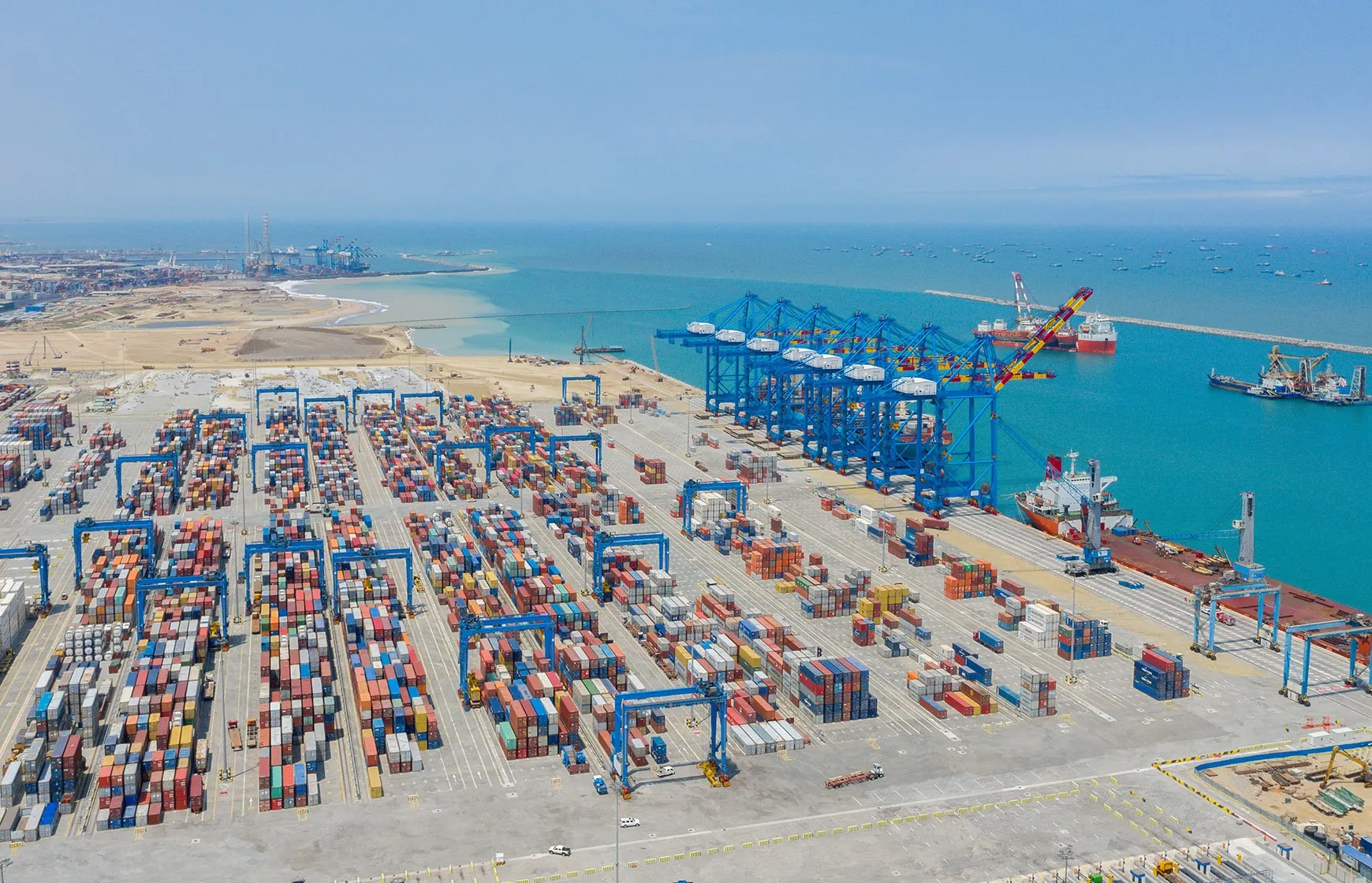
The launch of Phases 1 and 2 of the upgraded MPS Terminal in Tema opens a new chapter for Africa to strengthen its place in global trade. The project shows how committed investment and strong partnerships can reshape the continent’s position in global shipping.
Built through the joint efforts of the Ghana Ports and Harbours Authority (GPHA), APM Terminals and Africa Global Logistics, Tema now stands among the biggest and most advanced container terminals in Africa. Alongside ports like Tangier Med and the Suez Canal Container Terminal, it is quickly becoming a major transshipment point in West Africa.
Tema’s shift to a modern, digital port reflects a plan set more than ten years ago. Careful planning, consistent leadership and aligned investment have produced a terminal that can handle the largest ships and support wider regional growth.
Global container fleets are growing by about 5–6% each year, while port capacity is increasing by only 2–3%. This gap is creating congestion around the world. Africa feels this pressure strongly as shipping lines bring larger vessels to its shores. Tema’s expansion shows how early investment can keep pace with demand and protect competitiveness.
From its start in 2016, the Terminal 3 project has driven consistent improvements across the port. Container traffic has grown strongly each year, and the terminal now receives vessels of up to 24,000 TEUs. Its digital systems provide real-time visibility and automated gate access, while a locally trained workforce operates to international standards. These improvements have reduced turnaround times and strengthened regional connections. In November, Tema passed the 2-million-container mark, underscoring its role as a key driver of trade in the region.
Across West Africa, container traffic has grown by almost 50% in under ten years. Countries such as Nigeria, Côte d’Ivoire, the Republic of the Congo and Liberia show how quickly demand is rising. Continued investment in ports and logistics will be essential to support manufacturing, exports and closer regional ties.
Around the world, ports face tough choices. Larger ships, more complex supply chains and higher expectations for reliability are pushing the sector to adapt. For Africa, the way forward is clear: expand capacity early, adopt digital tools, build strong public and private partnerships and invest in local skills.
Tema’s progress shows what can be achieved. With aligned investment and steady implementation, Africa’s ports can help drive trade, technology growth and economic development.
source: africaports.co.za

 African Maritime Council