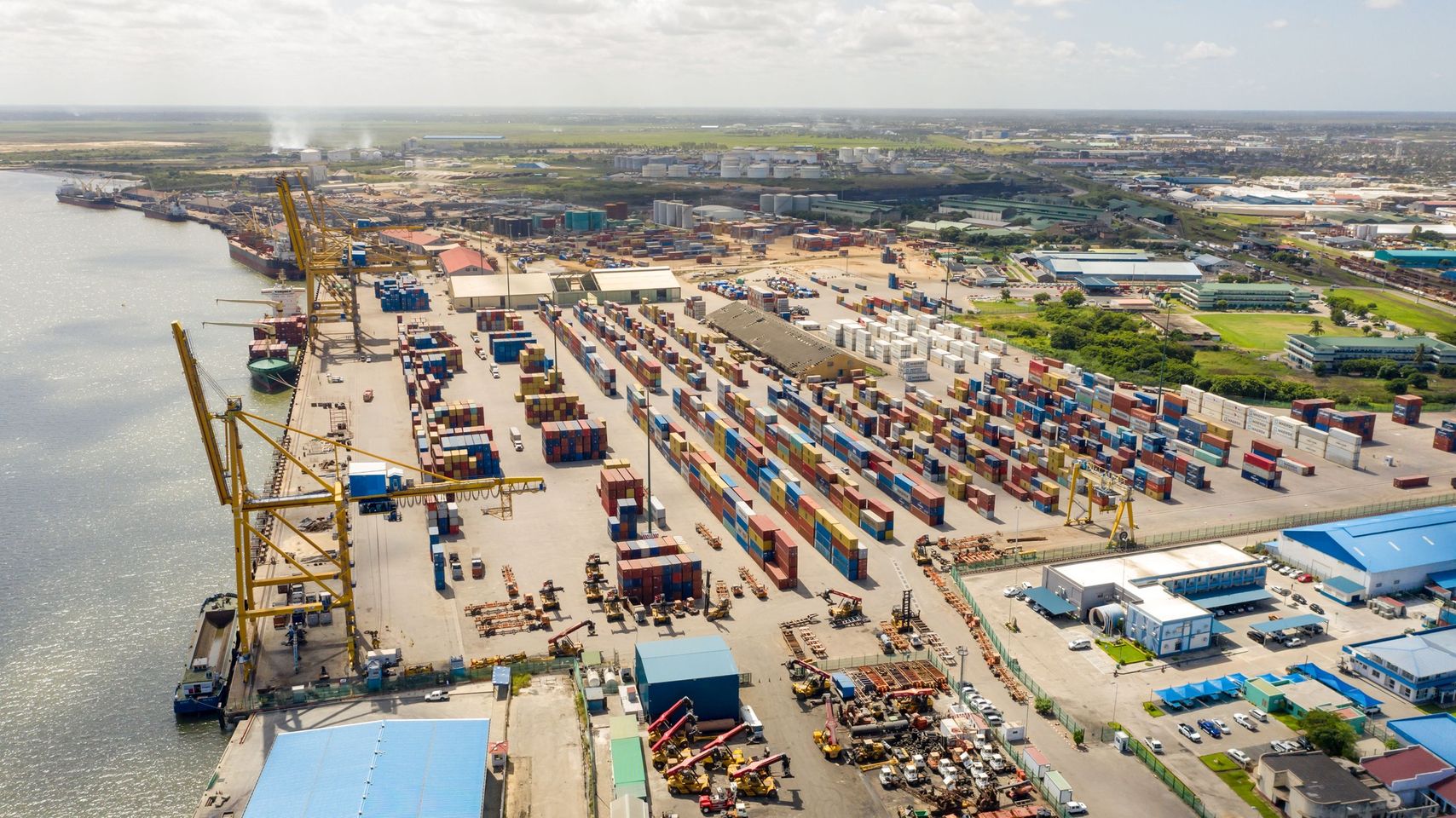
The Port of Beira is moving ahead with an expansion of its liquid bulk infrastructure, with construction now in progress to increase fuel terminal capacity in response to growing regional demand and transit traffic.
Officials from Mozambique Ports and Railways say the project will increase the terminal’s annual fuel-handling capacity from five million tonnes to seven million tonnes.
CFM is carrying out the expansion at its fuel terminal within the port complex, reinforcing its role in overseeing Beira’s bulk logistics operations.
The upgrade focuses on improving both volume handling and efficiency. The plan includes installing two new 16-inch fuel pipelines over a five-kilometre stretch, which will double the number of transfer lines used for diesel and petrol.
This addition will allow the terminal to handle more fuel at the same time and increase pumping rates from about 1,500 cubic metres per hour to around 3,000 cubic metres per hour.
The project also aims to shorten vessel turnaround times. Tankers currently spend about three days at the port, but with the new loading arms and discharge systems, operators expect this to drop to roughly one day per vessel.
The fuel terminal upgrade is part of a wider effort to improve capacity and efficiency along the Beira Corridor, a key transport route in southern Africa.
Government and industry stakeholders are calling for better coordination in how infrastructure projects are planned and delivered at the port to avoid disconnected or overlapping investments among different operators.
Beira’s fuel handling capacity plays an important role beyond Mozambique. The port acts as a main entry point for landlocked countries such as Zimbabwe and Malawi, which rely on established rail and road links to access imports.
These connections allow the port to serve as a key route for bringing in refined fuel and other bulk goods into inland markets, supporting its position as a regional energy and logistics hub.
The expansion is expected to improve Beira’s standing among ports in the region, especially as fuel demand rises and supply chains look for more efficient routes.
Alongside ongoing improvements to container and general cargo facilities, the project reflects continued efforts to strengthen Beira’s role as an alternative gateway for trade across central and southern Africa.
source: africaports.co.za

 African Maritime Council